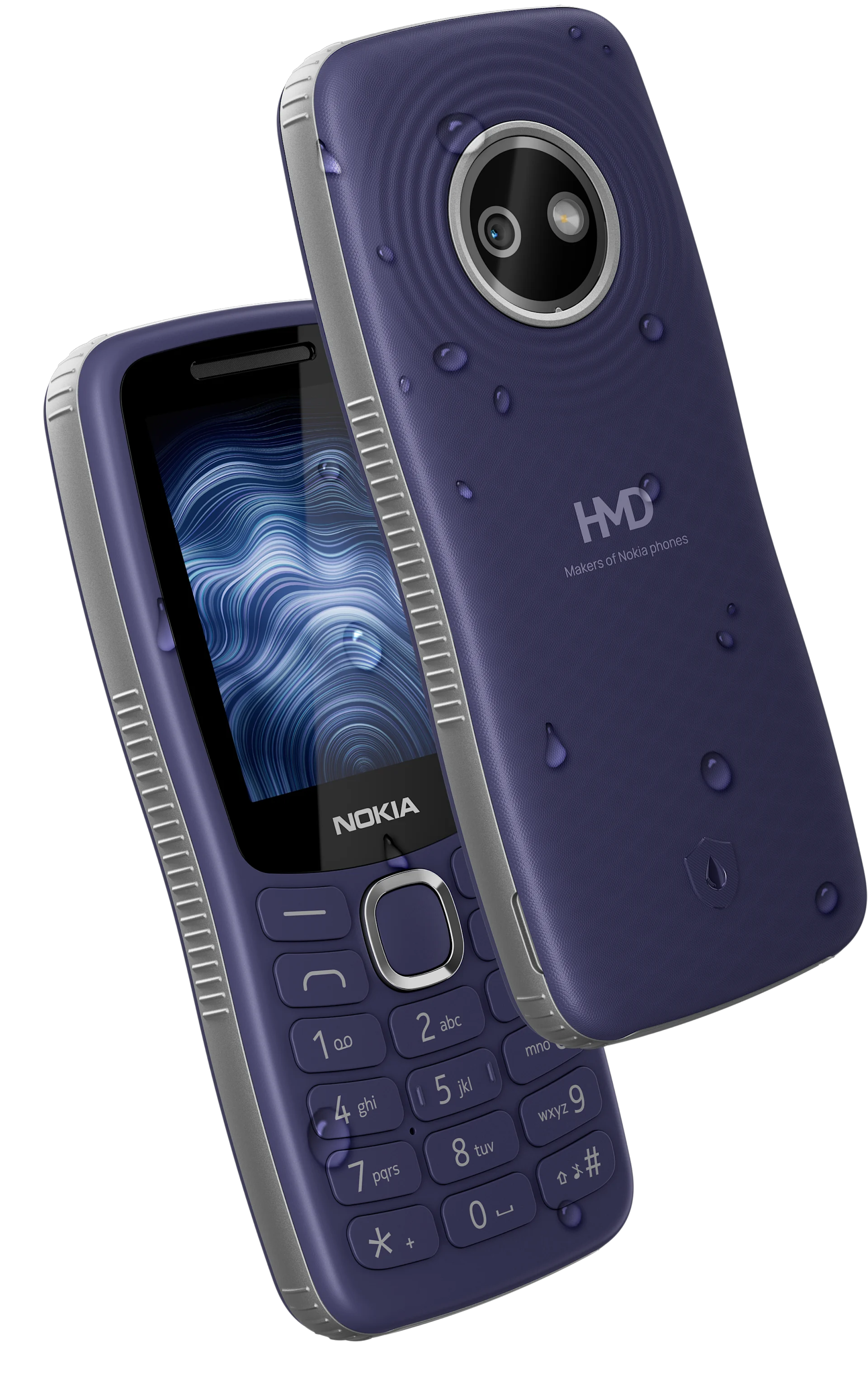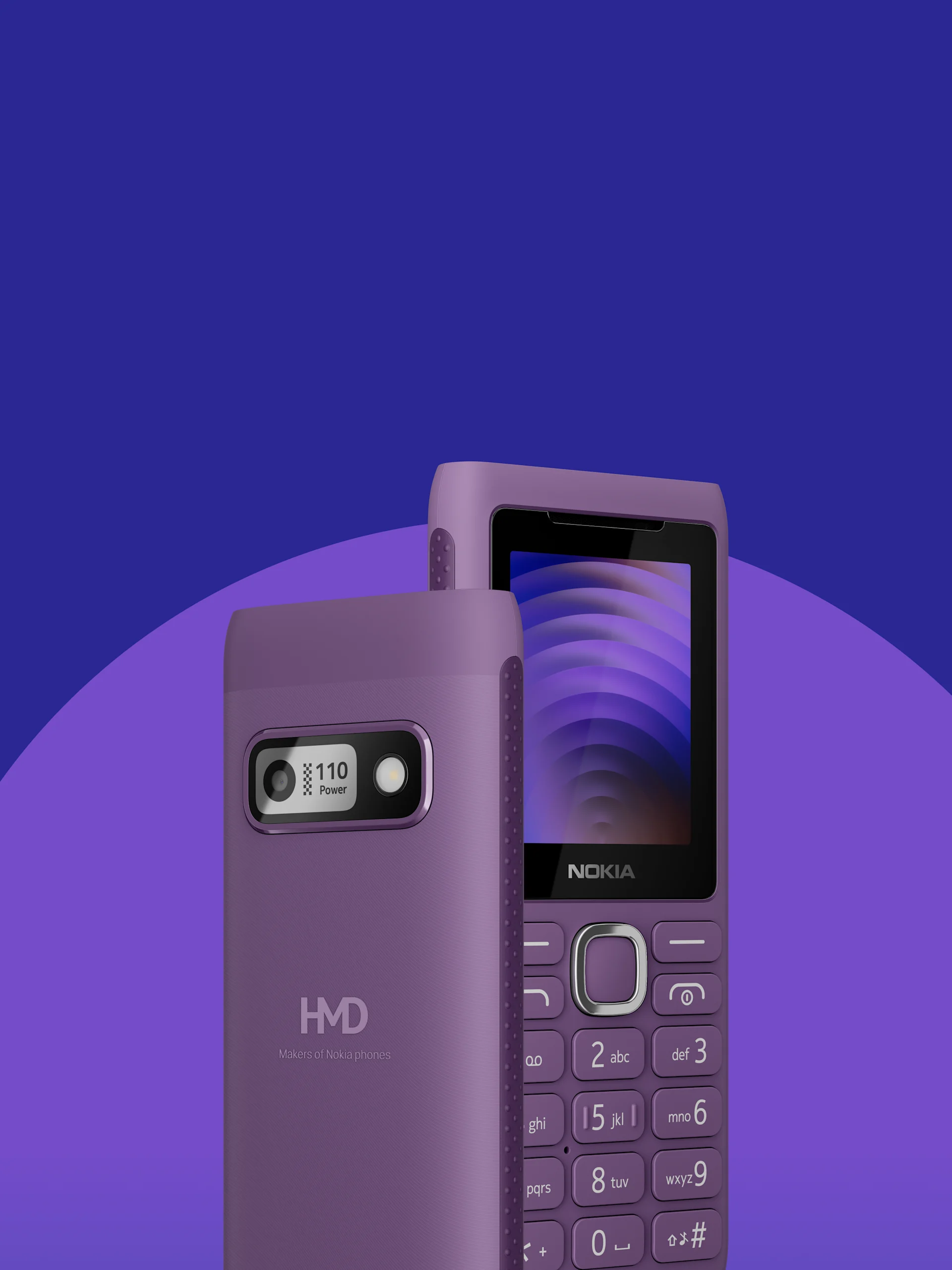
HMD’s Nokia 123 Shield is a new 2026 feature phone aimed at buyers who want a simple handset with more protection than a conventional entry-level model. The official specifications list IP65 water and dust resistance, a removable 1750 mAh battery, USB-C charging, and 4G network support.
What does IP65 mean here?
IP65 indicates protection against dust and water jets under controlled testing conditions. It does not mean the phone is designed for underwater use, and it does not remove the need to close ports and follow the manufacturer’s instructions. The practical benefit is extra protection against dust, splashes, and demanding everyday environments compared with an unprotected basic phone.
The environmental profile lists the device at 132.7 mm tall, 57 mm wide, 15 mm thick, and 108 grams including the battery. Those dimensions keep it in familiar feature-phone territory rather than making it a bulky specialist handset.
The core specifications
The Nokia 123 Shield has a 2.4-inch QVGA display, S30+ operating system, 4 MB of RAM, 4 MB of internal storage, and microSD support up to 32 GB according to HMD’s specification page. It includes a QVGA rear camera with LED flash, a 3.5 mm headphone jack, FM radio, dual Mini SIM support, and USB-C.
HMD quotes up to 19 days of standby time and up to 27.9 hours of talk time. Actual battery life will depend on network conditions, settings, and usage, so these figures are best used for comparing the model’s intended endurance rather than as a guarantee.
Who should consider it?
The Nokia 123 Shield makes sense for someone who wants physical buttons, a removable battery, basic calling and messaging, and additional protection from dust and splashes. It is also a more relevant option for work, travel, or outdoor use than a fragile collector phone such as the Nokia 3310.
The limitations are straightforward: the S30+ platform is not Android, and the phone is not intended for modern smartphone applications. For a longer view of how Nokia’s basic phones changed across generations, read the guide to Nokia phones by decade and browse the full catalog.