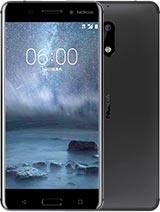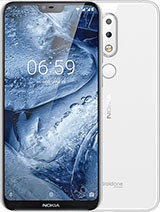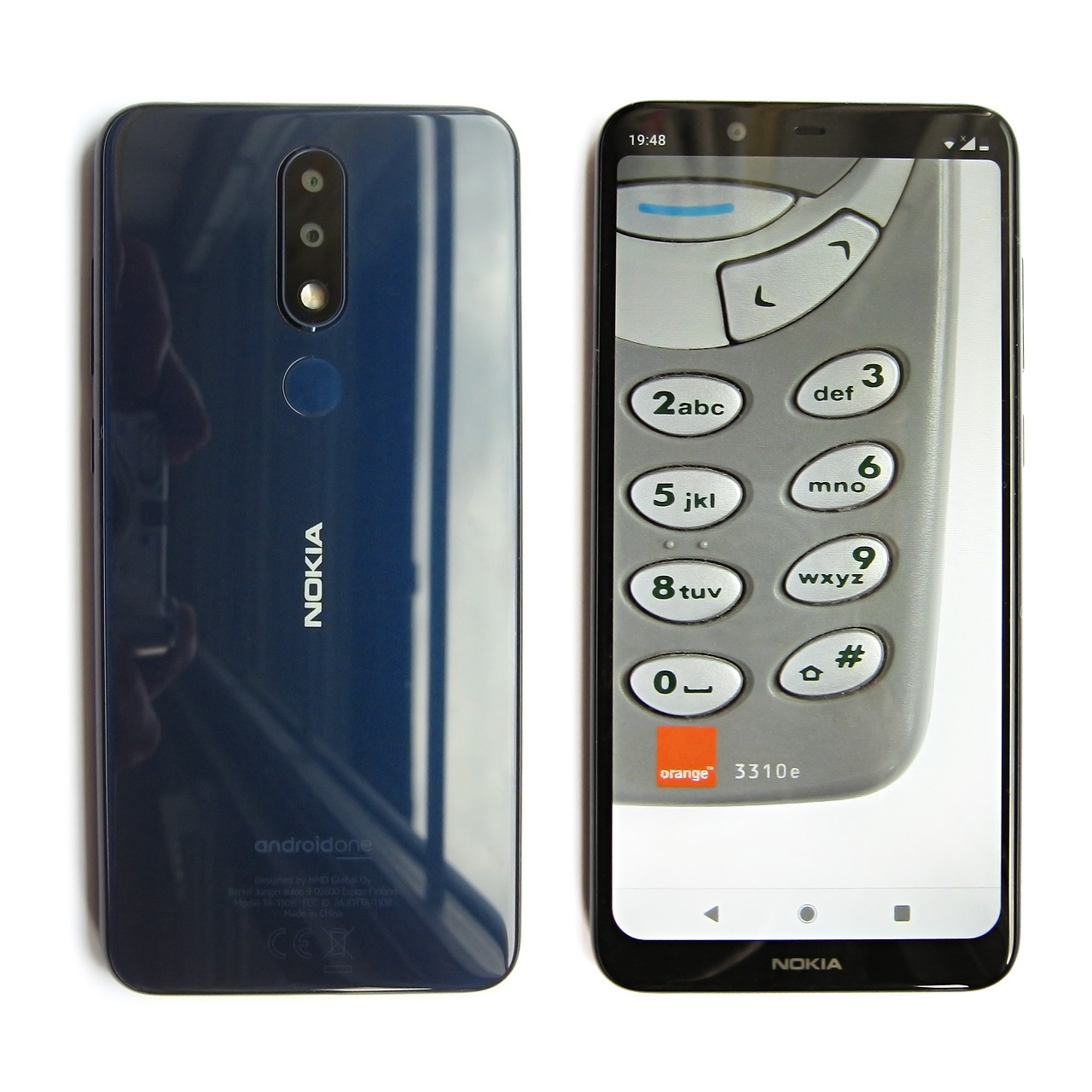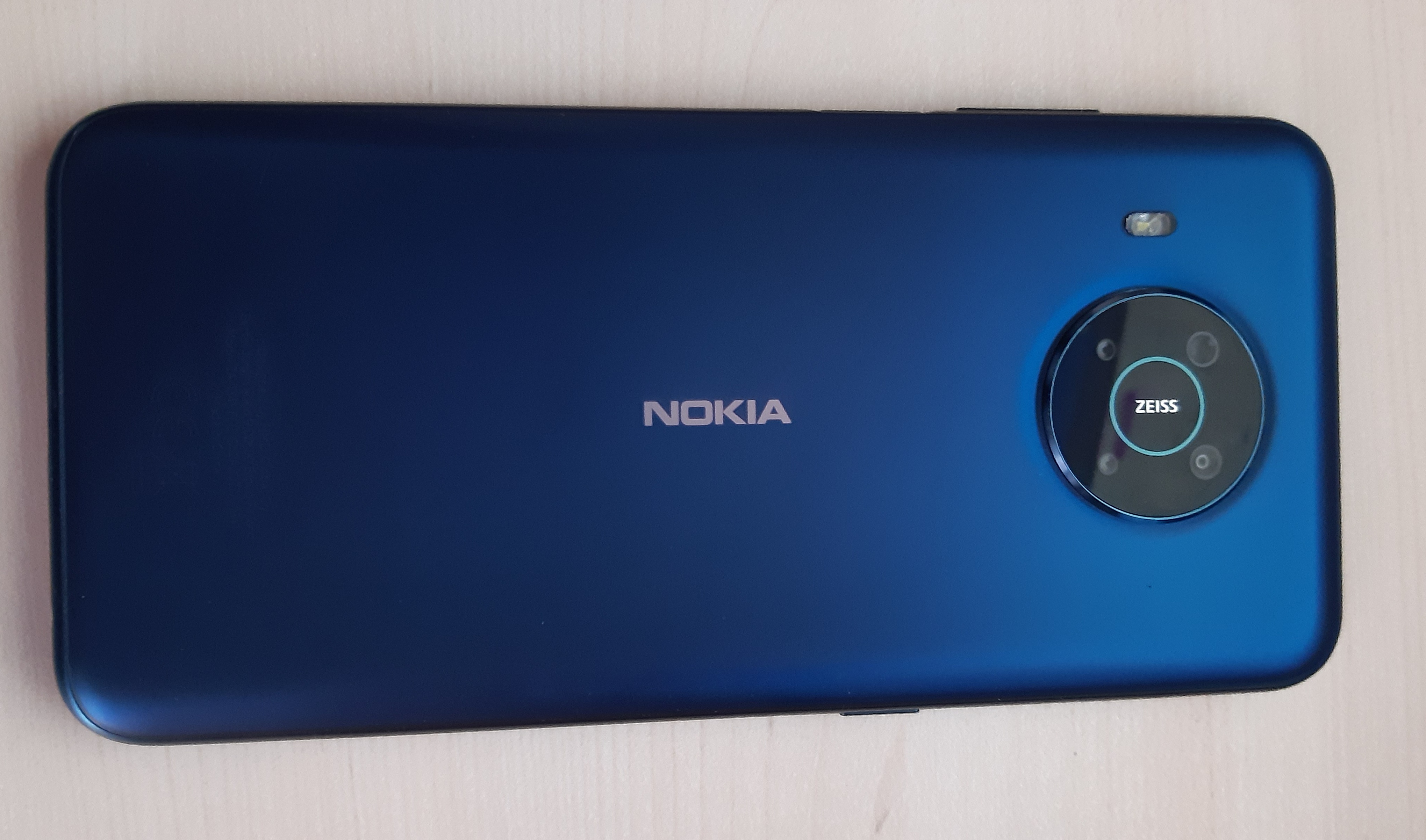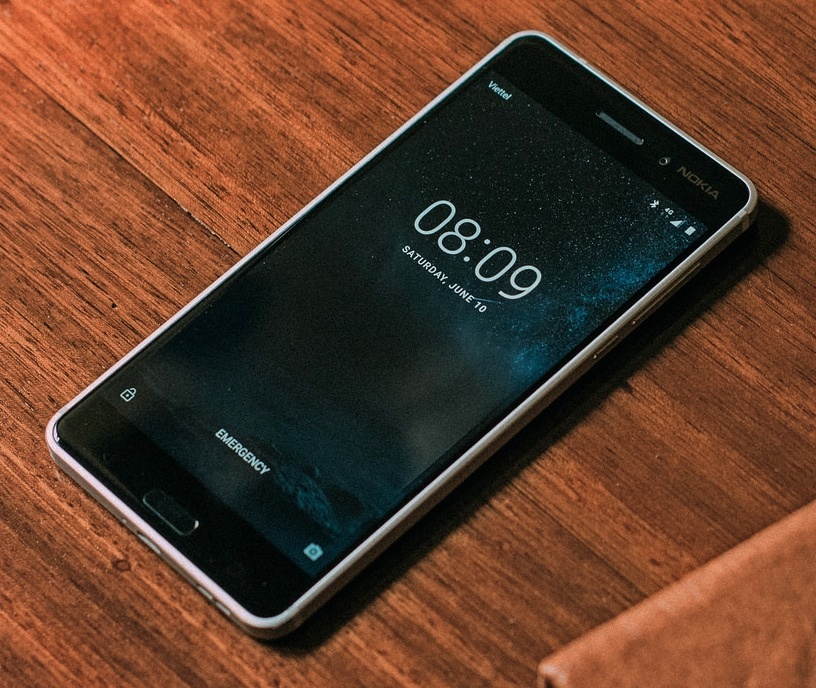
The Nokia 6 family is easier to understand as a sequence of different jobs than as a single product line. The original Nokia 6 was HMD’s statement that Nokia could return to mainstream Android. Nokia 6.1 Plus (Nokia X6) moved the design forward, while Nokia 5.1 Plus (Nokia X5) offered a cheaper route into the same general Android generation.
Quick comparison
| Phone | Best understood as | Main strength | Main compromise |
|---|---|---|---|
| Nokia 6 | The restart model | Solid build and simple Android identity | Older chipset and large bezels |
| Nokia 6.1 Plus / X6 | The balanced modern redesign | Compact body, sharper display, stronger performance | Notch and regional naming confusion |
| Nokia 5.1 Plus / X5 | The value alternative | Large display and good everyday basics for less money | Lower display resolution and more budget-oriented cameras |
The names X6 and X5 are not unrelated phones. They are the Chinese-market names for the 6.1 Plus and 5.1 Plus families. When searching for accessories, firmware, reviews, or replacement parts, use both names.
Nokia 6: why the first model mattered
The original Nokia 6 was deliberately conventional. It used a familiar Android workflow, a metal-oriented design, and a large display at a price that made the returning brand accessible. That restraint was useful: after Nokia’s long absence from Android smartphones, buyers did not have to learn another operating system or accept an unusual interface.
For a current user, its strengths are still easy to understand. It is comfortable for calls, reading, music, and basic applications, and its design feels more substantial than many entry-level phones from the same period. Its weaknesses are equally important: the platform is old, battery condition is now more important than the original capacity, and modern applications may no longer support it well.
Nokia 6.1 Plus: the phone for a more modern feel
The 6.1 Plus/X6 is the most obvious step forward. Its smaller bezels and notched display make it feel much newer than the first Nokia 6, while the Snapdragon 636 platform gives it more useful performance headroom. It is the better choice if you want the series’ design language but still expect smoother multitasking and a more contemporary screen.
The trade-off is that the notch and glass-heavy construction make repair and accidental drops more concerning. On a used example, check the screen edges, USB-C port, fingerprint reader, camera focus, and whether the battery drains quickly under load.
Nokia 5.1 Plus: when value matters more than polish
The 5.1 Plus/X5 aims at a different buyer. Its large display and capable mid-range platform made it attractive for video, social apps, and casual gaming, but the 720p panel and more modest camera system reveal where the price was saved. It is not simply a smaller Nokia 6.1 Plus; it is a value-focused alternative.
That distinction matters when buying today. A clean 5.1 Plus with a healthy battery can still be pleasant for lightweight use, but it makes less sense as a long-term primary phone. It is more interesting as an affordable retro Android device or as a way to experience Nokia’s 2018 design period without paying collector prices.
Which model should you choose now?
Choose the original Nokia 6 for historical interest and the most recognizable “Nokia is back” design. Choose the 6.1 Plus/X6 if you want the strongest everyday experience among the three. Choose the 5.1 Plus/X5 only when the price and condition are substantially better than the 6.1 Plus.
None of them should be treated as a secure modern banking phone without checking software support first. For a later point in Nokia’s Android story, compare them with Nokia X30. For the bigger context, read how Nokia entered the Android era and then use the comparison tool.